




“Innovation has to go hand in hand with inclusion. Because the best solutions are shaped by the communities they serve.”
- Secretary of State for International Development Randeep Sarai

In June, the Bundibugyo Ebola outbreak triggered the World Health Organization's highest alarm, prompting world leaders, including Canada, to call for a coordinated global response. While leaders deliberate, scientists around the world are racing to stop this strain and dozens of other deadly viruses before they make headlines: a mosquito-borne virus that threatens both people and the livestock they depend on, a bat-borne virus that can jump into communities with little warning, a strain of bird flu spreading through wild and farmed birds worldwide, one mutation away from learning to jump between humans, and more.
This quiet race against these threats is what innovation with impact and inclusion looks like: getting ahead of outbreaks before they become emergencies, and making sure that once a vaccine exists, it reaches people no matter where they live or what they can afford.
Because pandemics don’t just threaten health, they entrench poverty and, without a robust plan, pandemics could cost the world US$700 billion per year.
The ask: We call on Canada to champion the 100 Days Mission by investing $125 million over five years in CEPI 3.0, ensuring the world has safe, effective vaccines ready within 100 days of the next pandemic threat.
At the heart of the global pandemic response and prevention effort is the Coalition for Epidemic Preparedness Innovations (CEPI), a global partnership between public, private, philanthropic and civil society organizations. Founded in 2017, CEPI accelerates vaccine development against emerging threats. That principle, impact paired with inclusion, is built into its most ambitious strategy yet, CEPI 3.0, which funds the 100 Days Mission: ensuring the world has safe, effective vaccines within 100 days of the next pandemic threat, available to everyone who needs them, not just those who can afford to go first.
The current Ebola outbreak has put this mission to the test. Within days of the WHO declaring it a public health emergency of international concern, CEPI pledged more than $50 million to speed up the development and testing of vaccine candidates, working alongside Gavi, the Vaccine Alliance, a partnership our grassroots advocates have long pushed Canada to support. Once a vaccine proves safe and effective, Gavi stands ready to help get it into the arms of the people who need it.
In less than a decade, CEPI has supported over 50 vaccine candidates – including the first-ever vaccines for Lassa, Nipah, and MERS ever tested in humans.
This kind of work depends on countries showing up for each other. At this year's G7 Summit, leaders committed to a model of mutual partnership, investing at home while protecting communities everywhere, and Canada is well placed to lead. With world-class researchers and established vaccine manufacturers (see our map for more), Canadian scientists already help shape CEPI's global network, contributing the science behind the 100 Days Mission and the standards that determine how fast a vaccine reaches people. As Secretary of State for International Development Randeep Sarai put it at a recent event Results Canada organized: "When we support innovation, we create jobs here at home, across many sectors. We speed up the development of life-saving tools. And when we deploy them globally, we help prevent outbreaks, strengthen health systems, and save lives."
CEPI 3.0’s strategy will play a key role in carrying this work forward over the next five years, and Canada has an opportunity to help shape it. A new pledge from Canada to CEPI would be:
But innovation alone is not enough. A vaccine that exists is not the same as a vaccine that reaches you, which is why CEPI builds equity into every agreement it signs, ensuring vaccines reach the people who need them most, regardless of where they live or their ability to pay. Canada has long been a leader on equity in global health, and supporting CEPI is a chance to advance that legacy on the world stage.
The world is cutting pandemic preparedness budgets precisely when it should be doing the opposite. The G7 countries are on track to cut international aid by 28% compared to 2024. Canada has reduced its international assistance by $2.7 billion over four years. And the International Pandemic Preparedness Secretariat warns the world is already falling behind the speed and scale of emerging threats.
The cost of unpreparedness is not abstract. COVID-19 cost Canada over $624 billion and pushed between 88 and 115 million people into extreme poverty (living on less than $3 per person per day) worldwide. A pledge of $125 million over five years to CEPI, less than the cost of a single day of that response, would make Canada one of CEPI's leading investors and send a signal to G7 partners that innovation and inclusion are not line items to be trimmed.
The Bundibugyo Ebola outbreak is not a forecast; it is what is already happening. The question is whether the tools, and the communities they are meant to reach, will be ready when and where they are needed most. With the United States set to convene a G20 Foreign Ministers' meeting to mobilize broader financial support for the response in October, and the UN High-Level Meeting on Pandemic Prevention, Preparedness and Response coming in September, Canada has a rare and consequential opportunity to show the world what innovation with impact and inclusion looks like in practice, and to prove that when the world needed countries to step forward, Canada did.
The ask: We call on Canada to champion the 100 Days Mission by investing $125 million over five years in CEPI 3.0, ensuring the world has safe, effective vaccines ready within 100 days of the next pandemic threat.
latest campaign news
Secure The Future
story
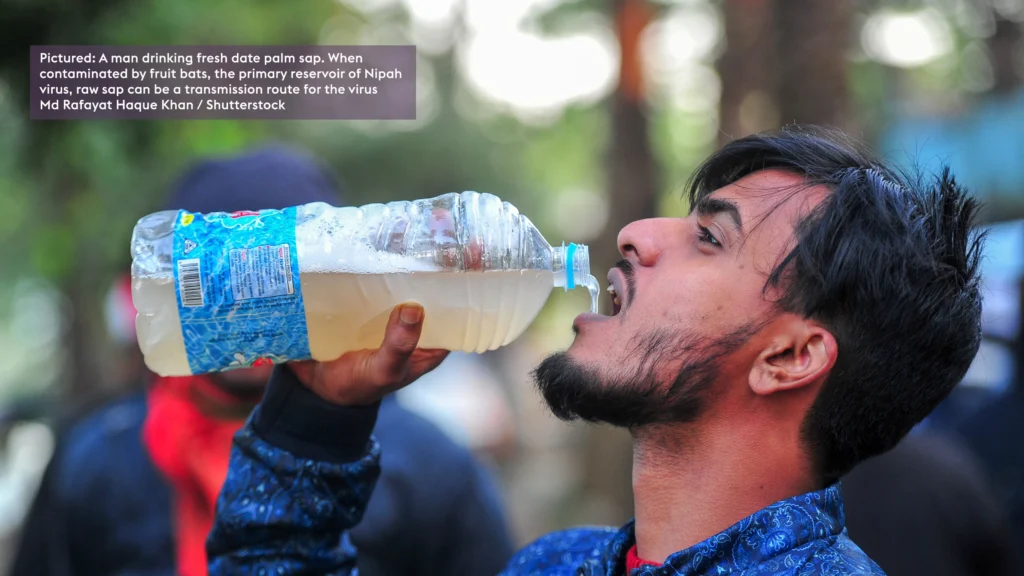
For some rural communities in Bangladesh, a simple glass of date palm juice can carry a deadly secret: the drink can be contaminated by bats that carry the Nipah virus, a pathogen that kills up to 75 percent of the people it infects. For Dr. K Zaman, who is leading the first-ever Phase II Nipah vaccine trial in Bangladesh, the hope is that this work will save lives in the communities most at risk.
video
What will it take for the world to develop, and enable access to safe and effective vaccines against new pathogens in 100 days? And why is it crucial that the world achieves this 100 Days Mission? Learn more in this video from CEPI.
July 2: Results Canada Action Kick-Off
July 7-8: NATO Summit
@ResultsCda, @CanadaDev, @MarkJCarney, @AnitaAnandMP, @RandeepSSarai, @YasirNaqviCDN
“Innovation has to go hand in hand with inclusion. Because the best solutions are shaped by the communities they serve.”
- Secretary of State for International Development Randeep Sarai
In June, the Bundibugyo Ebola outbreak triggered the World Health Organization's highest alarm, prompting world leaders, including Canada, to call for a coordinated global response. While leaders deliberate, scientists around the world are racing to stop this strain and dozens of other deadly viruses before they make headlines: a mosquito-borne virus that threatens both people and the livestock they depend on, a bat-borne virus that can jump into communities with little warning, a strain of bird flu spreading through wild and farmed birds worldwide, one mutation away from learning to jump between humans, and more.
This quiet race against these threats is what innovation with impact and inclusion looks like: getting ahead of outbreaks before they become emergencies, and making sure that once a vaccine exists, it reaches people no matter where they live or what they can afford.
Because pandemics don’t just threaten health, they entrench poverty and, without a robust plan, pandemics could cost the world US$700 billion per year.
The ask: We call on Canada to champion the 100 Days Mission by investing $125 million over five years in CEPI 3.0, ensuring the world has safe, effective vaccines ready within 100 days of the next pandemic threat.
At the heart of the global pandemic response and prevention effort is the Coalition for Epidemic Preparedness Innovations (CEPI), a global partnership between public, private, philanthropic and civil society organizations. Founded in 2017, CEPI accelerates vaccine development against emerging threats. That principle, impact paired with inclusion, is built into its most ambitious strategy yet, CEPI 3.0, which funds the 100 Days Mission: ensuring the world has safe, effective vaccines within 100 days of the next pandemic threat, available to everyone who needs them, not just those who can afford to go first.
The current Ebola outbreak has put this mission to the test. Within days of the WHO declaring it a public health emergency of international concern, CEPI pledged more than $50 million to speed up the development and testing of vaccine candidates, working alongside Gavi, the Vaccine Alliance, a partnership our grassroots advocates have long pushed Canada to support. Once a vaccine proves safe and effective, Gavi stands ready to help get it into the arms of the people who need it.
In less than a decade, CEPI has supported over 50 vaccine candidates – including the first-ever vaccines for Lassa, Nipah, and MERS ever tested in humans.
This kind of work depends on countries showing up for each other. At this year's G7 Summit, leaders committed to a model of mutual partnership, investing at home while protecting communities everywhere, and Canada is well placed to lead. With world-class researchers and established vaccine manufacturers (see our map for more), Canadian scientists already help shape CEPI's global network, contributing the science behind the 100 Days Mission and the standards that determine how fast a vaccine reaches people. As Secretary of State for International Development Randeep Sarai put it at a recent event Results Canada organized: "When we support innovation, we create jobs here at home, across many sectors. We speed up the development of life-saving tools. And when we deploy them globally, we help prevent outbreaks, strengthen health systems, and save lives."
CEPI 3.0’s strategy will play a key role in carrying this work forward over the next five years, and Canada has an opportunity to help shape it. A new pledge from Canada to CEPI would be:
But innovation alone is not enough. A vaccine that exists is not the same as a vaccine that reaches you, which is why CEPI builds equity into every agreement it signs, ensuring vaccines reach the people who need them most, regardless of where they live or their ability to pay. Canada has long been a leader on equity in global health, and supporting CEPI is a chance to advance that legacy on the world stage.
The world is cutting pandemic preparedness budgets precisely when it should be doing the opposite. The G7 countries are on track to cut international aid by 28% compared to 2024. Canada has reduced its international assistance by $2.7 billion over four years. And the International Pandemic Preparedness Secretariat warns the world is already falling behind the speed and scale of emerging threats.
The cost of unpreparedness is not abstract. COVID-19 cost Canada over $624 billion and pushed between 88 and 115 million people into extreme poverty (living on less than $3 per person per day) worldwide. A pledge of $125 million over five years to CEPI, less than the cost of a single day of that response, would make Canada one of CEPI's leading investors and send a signal to G7 partners that innovation and inclusion are not line items to be trimmed.
The Bundibugyo Ebola outbreak is not a forecast; it is what is already happening. The question is whether the tools, and the communities they are meant to reach, will be ready when and where they are needed most. With the United States set to convene a G20 Foreign Ministers' meeting to mobilize broader financial support for the response in October, and the UN High-Level Meeting on Pandemic Prevention, Preparedness and Response coming in September, Canada has a rare and consequential opportunity to show the world what innovation with impact and inclusion looks like in practice, and to prove that when the world needed countries to step forward, Canada did.
The ask: We call on Canada to champion the 100 Days Mission by investing $125 million over five years in CEPI 3.0, ensuring the world has safe, effective vaccines ready within 100 days of the next pandemic threat.
latest campaign news
Secure The Future
story
For some rural communities in Bangladesh, a simple glass of date palm juice can carry a deadly secret: the drink can be contaminated by bats that carry the Nipah virus, a pathogen that kills up to 75 percent of the people it infects. For Dr. K Zaman, who is leading the first-ever Phase II Nipah vaccine trial in Bangladesh, the hope is that this work will save lives in the communities most at risk.
video
What will it take for the world to develop, and enable access to safe and effective vaccines against new pathogens in 100 days? And why is it crucial that the world achieves this 100 Days Mission? Learn more in this video from CEPI.
July 2: Results Canada Action Kick-Off
July 7-8: NATO Summit
@ResultsCda, @CanadaDev, @MarkJCarney, @AnitaAnandMP, @RandeepSSarai, @YasirNaqviCDN
Some of our volunteer advocates took this action last month but we need to keep it going to ramp up the pressure!
With Members of Parliament engaging in federal budget consultations, the ongoing Bundibugyo Ebola outbreak, and the upcoming UN High-Level Meeting on Pandemic Prevention, Preparedness and Response, now is the moment to make sure pandemic preparedness is part of the conversation. Ask your MP to send a letter to Mélanie Joly, Minister of Industry, David J. McGuinty, Minister of National Defence, and Randeep Sarai, Secretary of State for International Development, making the case for Canada's investment in CEPI and the 100 Days Mission.
Don't know who your MP is? Enter your postal code on the House of Commons website to find out and get their contact information.
In a world of rising geopolitical tension and growing epidemic threats, pandemic preparedness is not just a health issue, it's a national security issue. Cutting investment in vaccine research and innovation doesn't make us safer, it leaves us more exposed. Your email is a chance to put that case directly in front of the MP who represents you, and through them, the ministers who need to hear it most.
Expert tips:
Your letter to the editor can help shift the conversation. People read them and they can impact their opinions. Most importantly, Members of Parliament read them to learn about their constituent’s priorities.
Write to your local or national newspaper and make the case that pandemic preparedness is not a foreign aid issue. It is a security issue, an economic issue, and a values issue. Use the ongoing Ebola outbreak to demonstrate the urgent need for investments in pandemic preparedness through CEPI.
A personal connection makes letters stand out. Whether you are a health worker, a scientist, a parent, an immigrant from a country impacted by outbreaks, or simply someone who lived through COVID-19, your experience gives readers something statistics cannot. All the facts and figures you need are in this call to action.
Remember to share your published letter on social media and tag your MP! To maximize your chances of publication, submit to local and community newspapers as well as national outlets.
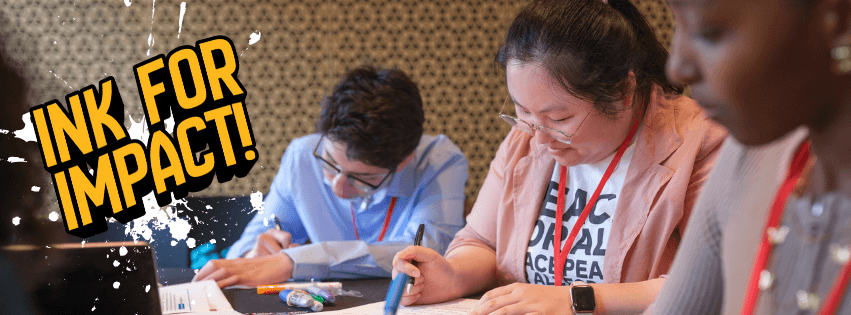
Don't forget to enter our INK FOR IMPACT CHALLENGE to make your voice heard (and maybe win a prize????).
Volunteers on average spend 1-2 hours researching and planning, 30 minutes writing their draft, and 15 minutes submitting it to newspapers.
Don’t forget to let us know you took action!