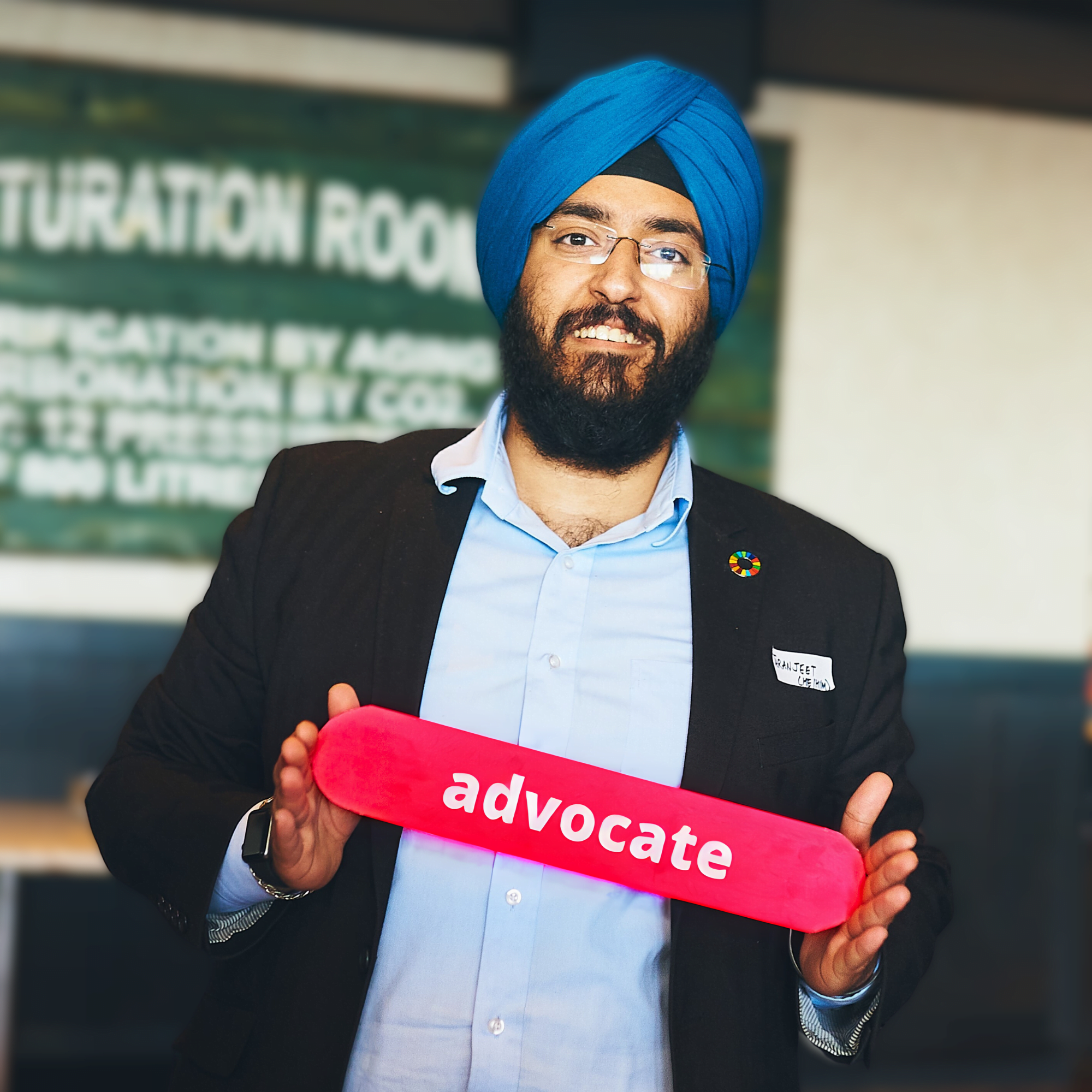
“One moment that truly reminded me why advocacy matters was seeing how policymakers respond when we raise our voices collectively. The impact is powerful- when government officials or decision-makers take the time to listen, acknowledge the cause, and move toward positive change, it reinforces why advocacy is not only necessary but transformative. It showed me that when people speak up consistently and passionately, systems really can shift.” - Pravash P. (Results volunteer)
2025 was a year unlike any other. A snap election, a new Prime Minister, shifting priorities, and a rapidly changing global political environment created real uncertainty for Canada’s international assistance commitments.
But you – our volunteer advocates from across the country – helped ensure global development remained on the government’s agenda when it mattered most. Your calls and emails to parliamentarians, letters to the editor, Hill Day meetings, and relentless advocacy meant Canada showed up even in a turbulent year. Together with our partners, you helped secure major wins that will save and improve millions of lives.
your impact in 2025
Tackling the malnutrition crises so that everyone has access to the food they need.
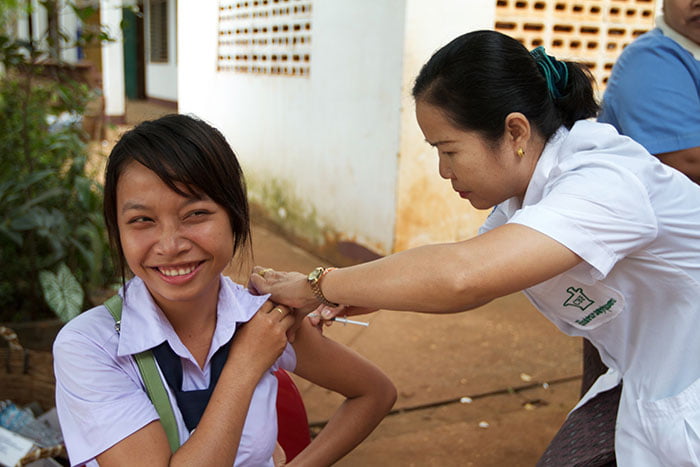
Strengthening global health mechanisms to ensure routine vaccinations reach all children and to support the fight against HIV/Aids, tuberculosis, and malaria.
These cuts undermine investments that save lives, prevent future outbreaks from reaching Canada, strengthen global security, and support women, children, and frontline communities. These aren’t just moral priorities – they strengthen Canada’s own safety, security, and prosperity.
That’s exactly why we must continue to raise our voices, mobilize our communities, and take action in 2026. The government needs to hear from all of us that cutting international assistance weakens Canada’s global leadership and slows progress toward a more sustainable, equitable future for all. Supporting global development creates healthier, more stable economies that can become long-term trading partners for Canada, while prioritizing global health helps prepare, detect and contain outbreaks before they spread internationally.
As we move into 2026, we cannot afford to lose the momentum we have achieved in 2025. Canada has a crucial opportunity to reclaim its leadership in global health by:
boosting research and innovation in vaccines, diagnostics, and therapeutics and ensuring they reach communities most at risk
closing the gaps in healthcare for women and children, and
stepping up in the fight against malnutrition.
latest campaign news
#WinTheFight
Canada pledged $1.02 billion to the Global Fund to Fight AIDS, Tuberculosis and Malaria at the Eighth Replenishment Summit in Johannesburg. This represents an almost 16% cut from its previous pledge in 2022. Results Canada alongside 20+ organizations released a joint statement expressing our concern as the announcement undermines progress against three of the world’s deadliest infectious diseases and weakens Canada’s credibility as a reliable global partner.
Nutrition
On November 15 and 16, Results Canada hosted two events with our incredible Surrey-area and Victoria-area volunteer groups. It was an opportunity to connect, learn, and take action to end the malnutrition crisis. And a shot of renewed energy and inspiration. Read more about our trip on our blog.
#BudgetForLeadership:
Despite months of advocacy from our volunteer advocates, staff, and partners, the 2025 Federal Budget cut $2.7 billion over four years from the International Assistance Envelope, the primary source of Canada’s international assistance funding. This is deeply disappointing and breaks Prime Minister Carney’s clear campaign promise that "my government will not cut foreign aid." Budget 2025 risks undoing decades of Canadian leadership in global health, nutrition, education, and development, which are necessary for a stable and prosperous world and Canada.
story
Nashaat’s favourite advocacy moment
When advocates take action, it leads to real impact in the world. This year was full of powerful moments by our advocates who proved that even when political changes happen, we have power in our advocacy. This year we helped ensure vital global health programs were funded and showed decision-makers that Canada’s global role matters. We’re celebrating that impact with stories from the people who made it happen. Here’s one highlight from Nashaat in 2025 when we asked about his favourite advocacy moment:
“Honestly? Opening the Toronto Star one morning and seeing my letter actually published. I'd written about Canada's $675 million commitment to Gavi, how it would provide screening and vaccines to over 100,000 families. But what really got me was thinking about all the people reading their coffee and newspaper in the [Greater Toronto Area] who were now, even for a minute, thinking about global health funding. People who probably never considered how Canada's aid commitments translate to actual lives saved. That's the reach we don't always see as advocates, and it reminded me why this work matters.
When you only have 200 words for an LTE [letter to the editor], every word has to count. Now I use my experience to mentor new volunteers and facilitate LTE writing workshops. The thing is, I used to completely freeze up speaking in groups. Now I'm facilitating calls with volunteers across the country. And these skills transfer too. I'm using what I learned at Results in my day job.”
Thank you to Nashaat and all our advocates for this work! It made a real impact this year.
December 4: Results Canada's International Volunteer Day Celebration Call December 5: International Volunteer Day December 6: National Day of Remembrance and Action on Violence Against Women December 10: Human Rights Day December 12: Universal Health Care Day December 27: International Day for Epidemic Preparedness
keywords
Cuts Official Development Assistance (ODA) International assistance
Send your Member of Parliament (MP) an email with our virtual holiday card linked here and below. In your message, highlight the global issues you care about, like global health, combating malnutrition, and supporting women and children, while sharing any actions you took and celebrating the advocacy wins we achieved together this year.
Members of the community reaching out is one of the most influential ways to get an MP’s attention, and a warm holiday card stands out. Amid busy political schedules and shifting priorities, your card is a thoughtful reminder that people in Canada care deeply about our global role. It signals that these issues matter to community members in their riding now and into 2026. A positive, personal touch helps build trust and familiarity, two things that make future meetings and asks much more effective.
By reaching out now, you will help ensure MPs enter the new year aware of the impact we've made and the urgent work still ahead. A small gesture goes a long way in keeping global issues on their radar.
Expert tip: Use the EPIC model of effective communication to get your message across clearly.
Expert tip: When emailing a minister or secretary of state, begin the email with “Dear Minister [last name],”. If you’re ever unsure about how to address an MP, minister, or other dignitary, the Government of Canada has a handy guide.
write a Letter to the Editor (LTE)
Recent cuts to Canada’s international assistance budget are already having consequences – and the recent disappointing pledge to the Global Fund is a clear example of their impact. In your letter to the editor (LTE), highlight how reducing foreign aid weakens Canada’s ability to support lifesaving programs, undermines global health progress, and sends the wrong message at a time when needs are rising around the world. Your LTE should focus on the important of international assistance in Canada’s broad foreign policy, including connections to trade, security, and prosperity. Outline how critical mechanisms like the Global Fund are smart investments, with proven, cost-effective impact that support communities and have benefits for Canadians.
Letters to the editor are one of the clearest signals to MPs that their constituents are paying attention. A constructive but honest LTE helps communicate disappointment and encourages policymakers to reconsider the level of ambition Canada brings to global health. It also helps other readers understand why strong pledges matter for saving lives and strengthening global security.
By connecting a weak pledge to broader cuts in international assistance, your LTE helps reinforce our message that Canada must rebuild, not reduce, its role in global health. This kind of public pressure is essential as we push for restored aid budget in 2026, stronger support for women and children, greater investment in epidemic preparedness, and a more determined response to the global malnutrition crisis.
follow these step-by-step instructions to write an LTE
Volunteers on average spend 1-2 hours researching and planning, 30 minutes writing their draft, and 15 minutes submitting it to newspapers.
Research the current issue by reading the news or external reliable sources (e.g., the World Health Organization).
Draft your LTE. It doesn’t have to be perfect, and you don’t have to be an expert to have an opinion.
Create an outline of your letter using the EPIC format.
Keep it short – 150-200 words. Being clear and concise will increase your chances of getting published.
Focus on your perspective and speak from the heart while supporting your opinion with evidence from our call-to-action and/or your research.
Remember to state the problem early on and include a solution to the issue which is usually the “ask” in the call-to-action.
Write a catchy title that will draw the reader in.
Review your draft to make sure you are using respectful and inclusive language – see our anti-oppression best practices.
Decide if you are sending your LTE to one or many newspapers. If you’re emailing multiple newspapers, put their addresses in the BCC field. Use our database of editors’ emails for options.
Press ‘send’ – congratulations! Be sure to let us know you’ve submitted an LTE through our reporting form or tell your Group Leader. If you are not part of a group, contact us at action@resultscanada.ca. If you are not a volunteer yet, join us!
Do an internet search of your name and a key sentence from your LTE for a few weeks after you submit if the newspaper editor didn’t notify you that they picked up your LTE.
If you got published, complete the “I got published in the media” form.
Respond to a recently published article as a hook for your LTE.
Collaborate with other volunteers. Nothing is stopping you from submitting a co-written LTE!
Speak another language? Send your LTE to community newspapers published in that language.
Consider writing an op-ed if you have lots of research material and 200 words isn’t enough!
use your voice on social media
Share a post on social media celebrating an advocacy win that you are proud of from this year or reflect on why taking action matters. Your post can highlight the power of collective advocacy and the real impact it has on global health, nutrition, and the lives of women and children around the world.
Social media helps amplify our message beyond meetings and letters. When volunteers share their stories, friends and followers learn more about global issues and how simple actions can create change. This helps grow our movement, build awareness, and inspire others to get involved.
Remember to tag Results Canada in your post so we can help celebrate and amplify!