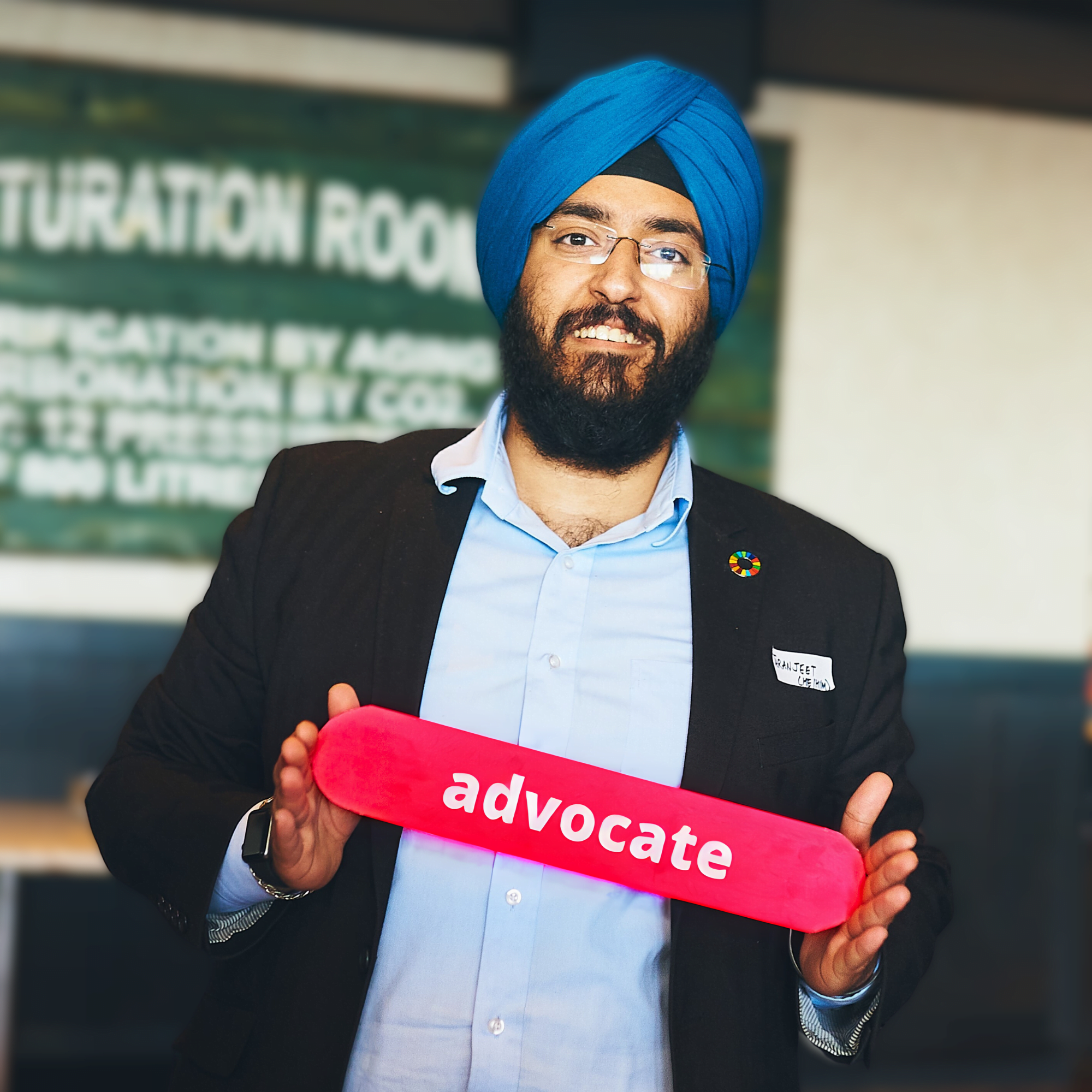





In too many places, and despite all the progress made, gender still influences whether someone lives or dies. But there is hope for change. And you can be a part of the solution.
On average, women spend nine more years of their lives in poor health than men. These years often occur when women are raising families and contributing to their communities.
The impact goes beyond individual lives. When women cannot access care, children’s health suffers, families face economic strain, and communities lose opportunities to grow.
These inequalities often begin early. In some places, newborn girls receive less medical attention than boys. In other communities, social barriers make it harder for women to access maternal care or follow-up health services after childbirth.
Improving women’s health requires more than individual programs. It requires strong health systems that can reach people wherever they live.
Take Hermina’s story for example. After walking four hours to reach a maternity ward in the Central African Republic with her newborn daughter, she was relieved that her baby would survive, but she still worries: “I don’t know what will become of her,” she says. “She’s a girl.”
We said at the beginning that there is hope, and the Global Financing Facility for Women, Children and Adolescents plays an important role in providing the solutions and tools to turn this story for women and children around.
The GFF supports countries in strengthening health systems for women, children, and adolescents. It helps governments mobilize funding, expand services, and address barriers that prevent women and girls from accessing care.
Through this work, countries can strengthen health services, integrate gender equality into health policies, remove barriers that prevent girls from continuing their education, and support women’s leadership in health decision making.
Investing in women’s health also makes economic sense. Healthier women are better able to support their families and participate in the workforce. Their children are more likely to stay healthy, attend school, and contribute to their communities.
Research suggests that advancing women’s health and rights could add more than one trillion dollars to the global economy each year by 2040.
For decades, Canada has played a role in supporting global progress on maternal and child health. Initiatives such as the G8 Muskoka Initiative helped mobilize global attention and investment in these issues.
Today, however, progress is under pressure. Broad cuts to international assistance across high-income countries including Canada are affecting countries where health systems are already stretched. When services decline, women and girls are often the first to feel the effects.
Health centres may close, access to reproductive health services may shrink, and opportunities for girls to continue their education can become more limited.
Sustained investment is needed to prevent these setbacks and continue building stronger health systems.
Canada has an opportunity to support that progress by renewing its commitment to the Global Financing Facility with a pledge of $340 million over the next five years.
Investments like these help ensure that women receive care during pregnancy, children receive lifesaving vaccines, and families have access to essential health services. But we need to make sure the Canadian government takes action.
You can be part of this change. One of the most effective ways to take action is by meeting with your Member of Parliament to raise the importance of investing in women’s and children’s health. You can also write a letter to the editor to bring attention to these issues in your community and help shape public conversation. These actions play a powerful role in building the political will needed for Canada to step up and support the Global Financing Facility.
For mothers like Hermina, these investments can mean something simple but powerful. They can mean knowing that their daughters will have a fair chance to grow, stay healthy, and build their own future.
When women and girls have that opportunity, the benefits reach far beyond one family. Communities grow stronger and societies become healthier for everyone.